7 Current housing efforts
The City of Virginia Beach currently promotes housing affordability both directly and through partner organizations using City, state, and federal funds.
7.1 VBCDC
The Virginia Beach Community Development Corporation (VBCDC), a non-profit organization created by the City Council in 1985, is the largest developer and operator of affordable housing in Virginia Beach. It owns and operates over 500 scattered site affordable housing units and provides rental assistance, homelessness prevention services, and supportive housing for veterans.
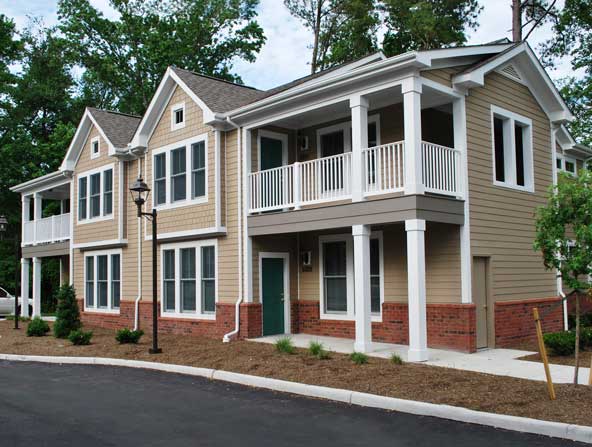
The VBCDC has close links to the City: the City Council appoints its Board of Directors and provides funding and policy direction, and it frequently coordinates with the City Departments of Housing and Neighborhood Preservation and of Human Services.
While VBCDC’s major focus is on permanent rental housing, it has also administered low-income homeownership programs and developed single-family units for sale to low-income owners. Since the mid-2010s, the City has stopped providing direct funding for VBCDC’s operations and administration, but it continues to provide federal pass-through funds.
The VBCDC website has additional information on their mission, administration, and services.
7.2 Funding
The City also partners with other non-profit and for-profit low-income housing developers and operators, distributing HOME and CDBG funds via Housing Opportunity Funds Requests for Proposals issued at least once per year. Since 2000, the City has provided $10.1 million in federal pass-through funds and $5.3 million of City funds to partner organizations, creating 1,280 affordable rental units, preserving 413 affordable rental units, and providing 309 rental assistance vouchers.
7.3 Development incentives
In addition to pass-through funds for developers and operators, the City provides other assistance, such as facilitating land transactions, and funding infrastructure improvements to enable affordable housing development. Zoning and land use tools have also been used to encourage and incentivize affordable housing development. These include reduced parking requirements for affordable housing sites, increased density allowances in Strategic Growth Areas, limited approval of single room occupancy (SRO) housing, and a voluntary Workforce Housing program offering density bonuses in exchange for workforce-affordable set-aside units.
7.4 Housing Resource Center
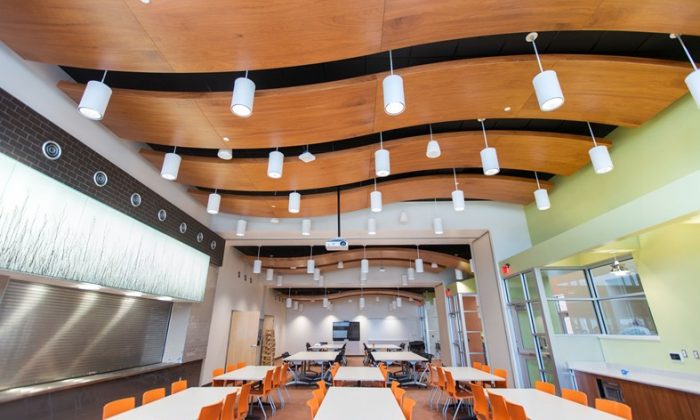
Finally, the Housing Resource Center, developed with $32 million in City funds, provides emergency housing for unsheltered families and individuals, and services for households experiencing a housing crisis, as well as 29 permanent supportive housing units.
The HRC website has a full list of resources and services provided on site.